

Depth Counselling for Times of Transition
Listening closely to what the soul whispers
Welcome
You don’t need to go through this alone.
Sometimes life brings us to a quiet crossroads—grief, loss, anxiety, identity shifts, relationship struggles, or a sense that the old ways no longer fit. If you’re here, something in you may be seeking a deeper kind of support. Not just symptom relief, but meaning. Not just advice, but presence.
I offer a space where you can slow down, listen inward, and reconnect with parts of yourself that may have been pushed aside or forgotten.
Together we pay attention not only to what feels wrong, but to what it might be asking for — what's alive in the body, what's stirring underneath, and what's been waiting for room to exist. I work in both English and Spanish, and offer online sessions that meet you wherever you are, in place and in life.
My Approach
Beneath the surface, beyond the personal
Transpersonal psychology takes seriously something most of us sense but rarely name: that we are more than our history and our problems. Alongside the personal story, with its wounds, patterns and relationships, it makes room for the deeper dimension of human experience. The search for meaning, the pull toward wholeness, the moments when we feel part of something larger than ourselves. It doesn't ask you to hold any particular belief. It simply treats this dimension as real and worth listening to.
This is the orientation that holds my work together. Seen this way, even painful symptoms and stuck patterns belong to a longer movement toward becoming more fully yourself. Each of the approaches I draw on is a different way of listening to that movement.

Listening to the depths
Much of what shapes our lives happens below awareness. Drawing on Jungian psychology, we pay attention to dreams, images and the themes that keep returning. Beneath the symptoms, there are often quieter questions: what gives life meaning, and how we want to live. From this perspective, the unconscious isn't only where old pain is stored; it is also a source of guidance and renewal. I don't offer clever interpretations. We stay curious together and let meaning surface in its own time, so that the parts of you pushed into the shadows can gradually be seen and accepted. Jung called this individuation: becoming whole, rather than perfect.
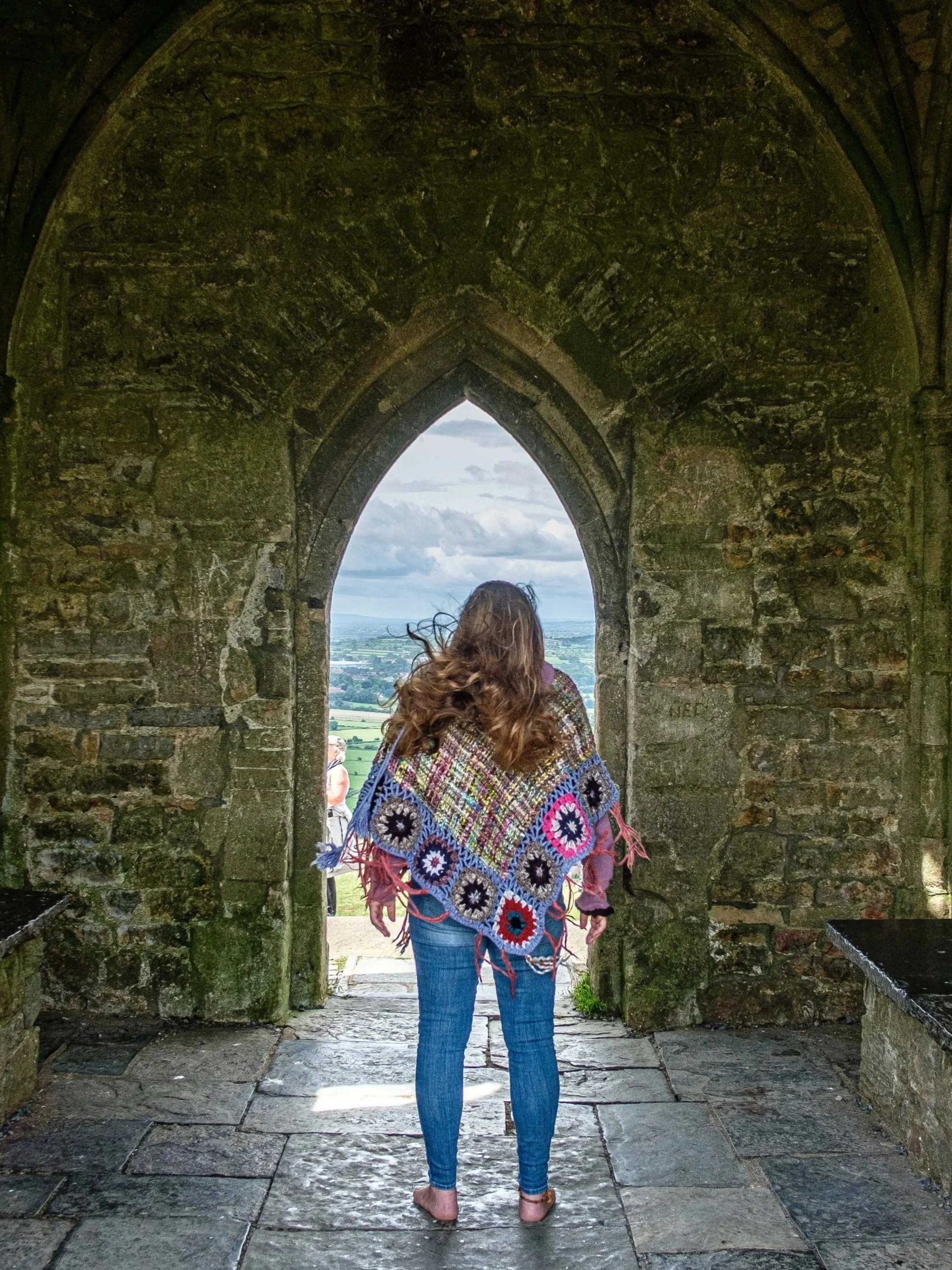
Listening to the body
The body remembers what the mind has learned to forget. Old wounds and early relational patterns live on in the nervous system, in tension, breath and posture. Drawing on Somatic Experiencing and NARM, we pay attention not only to what you say, but to what happens in your body as you say it. Difficult feelings and memories are approached gently, a little at a time, so the nervous system can take them in without being overwhelmed. Over time, what has been held for years can begin to settle, and a sense of safety and aliveness can return. The body isn't an add-on to the work. Often, it knows the way before we do.

Listening in relationship
Most of what hurts us was shaped in relationship, and the same patterns can quietly appear between us in the room. Rather than something to avoid, this is where real insight and change can happen: noticed together, old patterns can slowly be reworked. Gestalt therapy keeps us close to what is alive right now, so we can make contact with what might otherwise go unnoticed. Parts work, such as IFS, helps us meet the inner voices that pull us in different directions. Often the harsh ways we treat ourselves began as an attempt to protect our most vulnerable, younger parts. The key is to meet all of them with compassion, rather than taking sides.

“Your visions will become clear only when you can look into your own heart. Who looks outside, dreams; who looks inside, awakes.“
C. JUNG
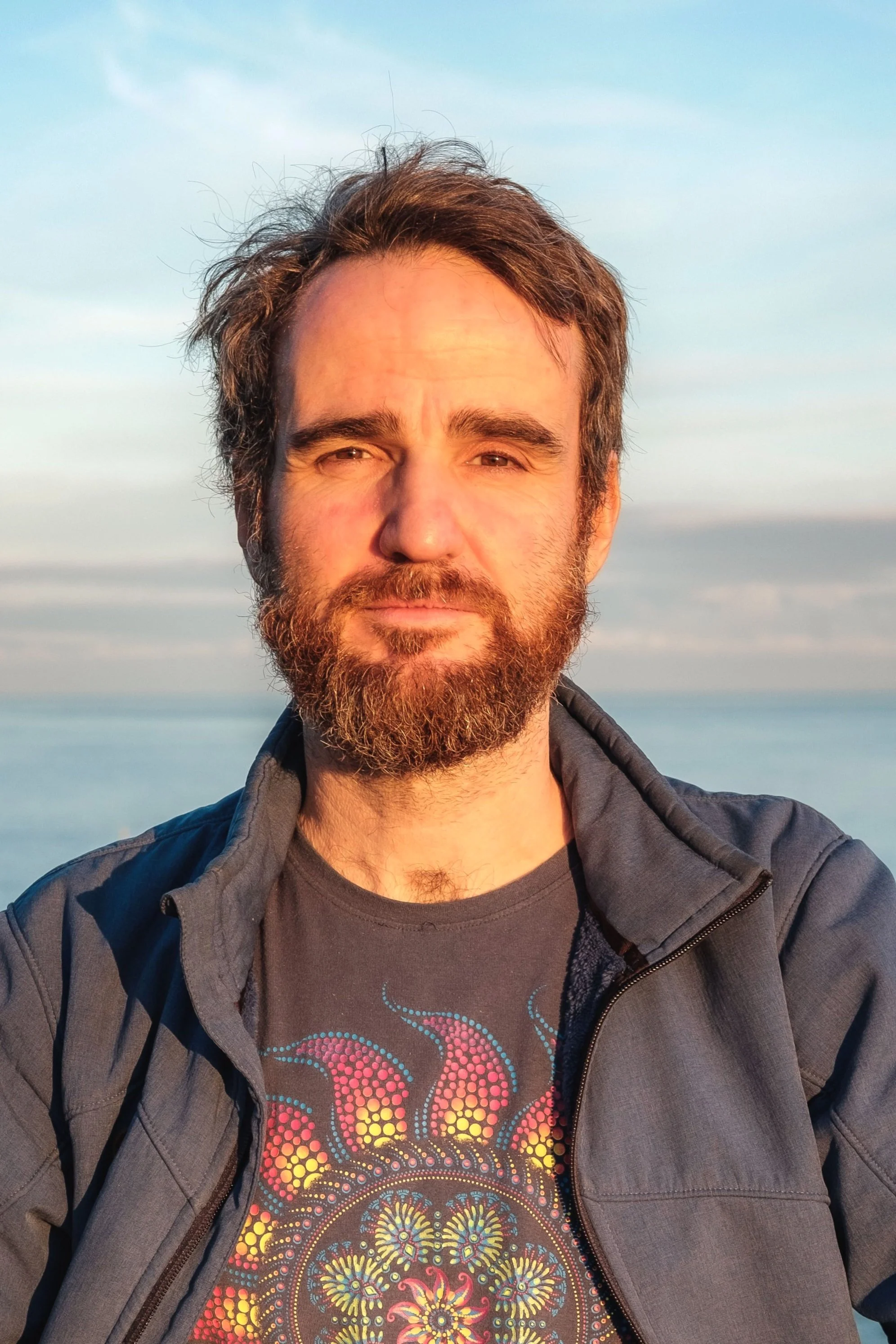
About Me
I didn’t choose therapy as a career—I was led here through my own need for it.
Long before I trained, I was the person sitting in the other chair — wrestling with my own difficulties and looking for something that could make life feel meaningful again. For many years that search ran outward. The turning point was discovering that what I was looking for lay inward and downward, and that the real work was to stop avoiding my own emotional pain and turn toward it. It wasn't easy, either getting there or what came after. And while therapy was not the only thing that helped me, it was the consistency of a weekly meeting, the quality of the relationship, and the way it kept reflecting back what I was doing and where I was, that helped me find my way through, and it is what moved me to train and to offer others the same kind of steady company that made such a difference to me.
I trained at Re-Vision in London, where I completed a Diploma in Integrative Transpersonal Counselling — a soulful but psychologically rigorous training that honours both personal history and the deeper patterns beneath it. Since then I've completed my training as a Somatic Experiencing (SE™) practitioner, the body-based approach to trauma developed by Dr Peter Levine, and I'm currently undertaking certification in NARM, the Neuro Affective Relational Model developed by Dr Laurence Heller. Both bring the body and the nervous system fully into the work. I'm a counsellor registered with the BACP, and I work with individual adults online, in English and Spanish.
Born in the Basque Country and shaped by years lived between Spain, the United States and the UK — including two decades in London — I bring a particular sensitivity to questions of identity, belonging and cultural complexity. I now live back in the Basque Country, in San Sebastián. Away from the work, I'm also a musician — I play clarinet, the handpan and other instruments. Creativity isn't a side note for me but part of the same imaginative, embodied attention I bring to counselling
Who this is for
This work tends to suit people who want to understand themselves at a deeper level, not just to manage a symptom — though relief from symptoms often follows. Common ground includes long-standing relational patterns; a sense of numbness or living at a distance from oneself; grief and loss, including the quieter griefs of migration and the life not lived; anxiety, depression and burnout seen in their fuller context; questions of meaning, vocation and direction, including mid-life transitions; and developmental or relational trauma.


Practicalities
How to begin
Starting therapy is a meaningful step, and it’s important that you feel comfortable with your therapist. That’s why I offer a free 20-minute introductory call—a chance to meet, ask questions, and see if we’re a good fit.
If we decide to work together, sessions are:
• 50 minutes long
• Held online via Google Meet or by phone
• Priced at £70 per session

“Healing isn’t about recovery; it’s about discovery. Discovering hope in hopelessness, discovering an answer where there doesn’t seem to be one, discovering that it’s not what happens that matters – it’s what you do with it.”
EDITH EGER